


Respiratory diseases
It’s already March 20th! I’m not sure where the last three months went, but I’m looking forward to warmer weather.
Influenza-like illness (ILI) activity fell slightly during the week ending March 11, with 2.4% of visits to outpatient providers related to ILI. However, there was a slight increase in activity in the 0-4 age group, rising from 7.7% to 7.9%. In the other age groups, activity either remained steady or decreased slightly.
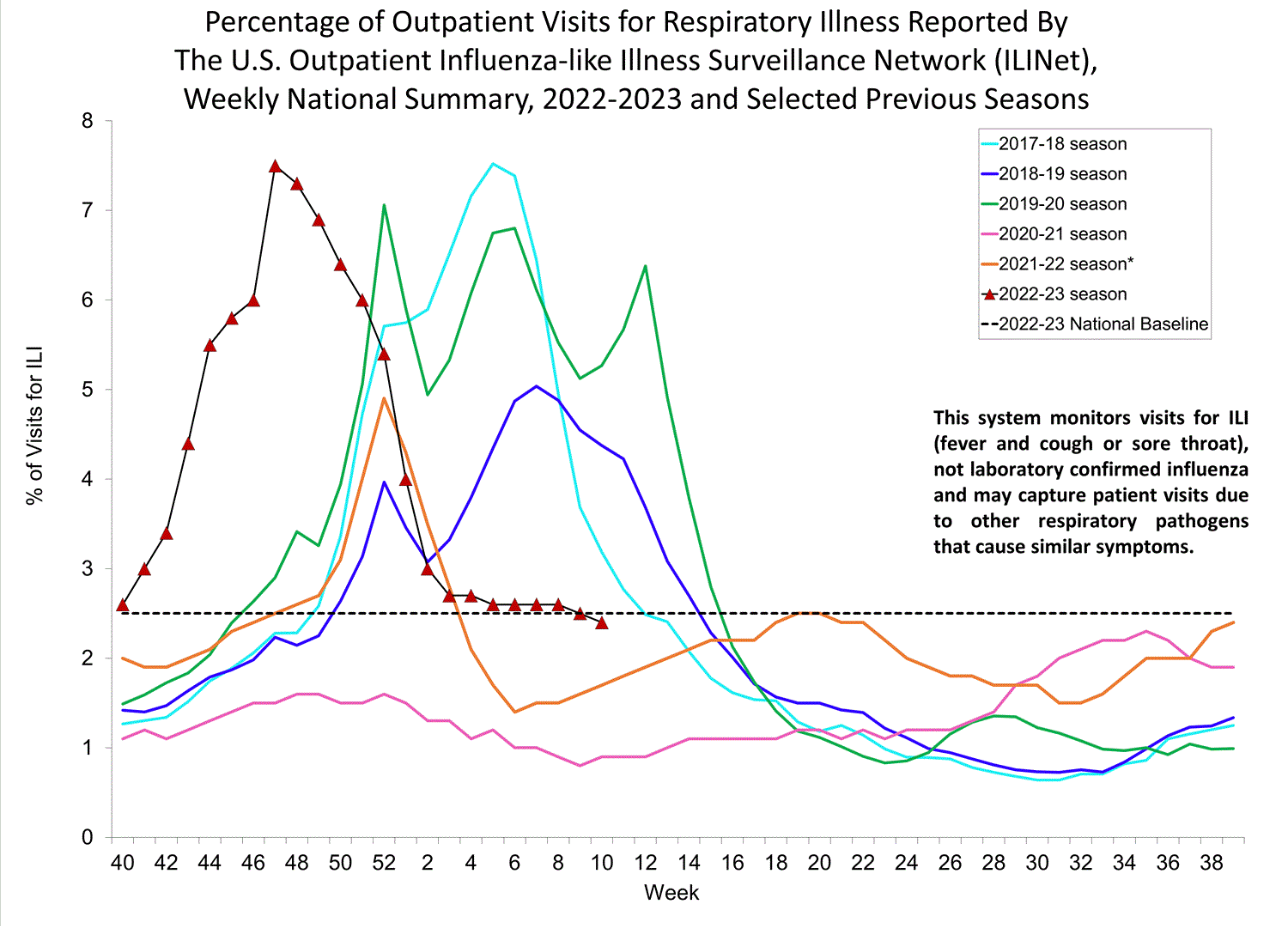
Two jurisdictions, New Mexico and New York City, still have high levels of ILI activity. In both places, around 4% of visits to the doctor were for ILI. Both have been stuck at that level since around New Years. Four jurisdictions (California, Puerto Rico, Washington, D.C. and New Jersey) had moderate levels of ILI activity. The rest of the map looks good
COVID-19 activity is still falling, but slowly. The number of people in the hospital for COVID-19 is around 23,800, down by about 1,000 from last week. Both test positivity and the number of confirmed cases have also decreased. However, anecdotally I know quite a few people with covid right now, so that does give me pause. Be careful out there.
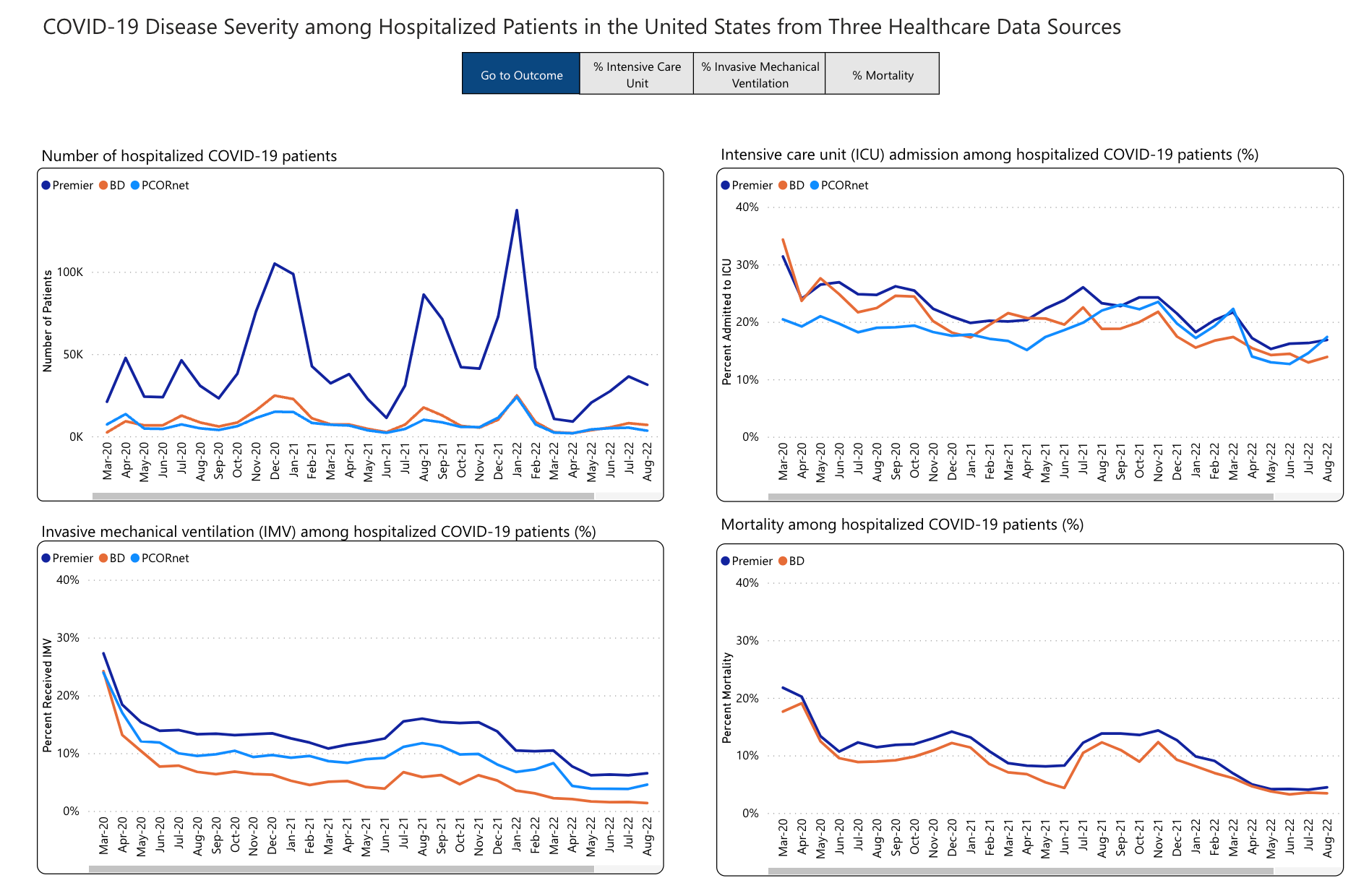
While visiting the CDC Covid Data Tracker recently, I noticed a dataset that I hadn’t seen before. The figures show that while severity of disease in people hospitalized with COVID-19 has decreased over time, it remains a dangerous infection for people who require hospitalization. The proportion of hospitalized patients who require ICU admission fell from around 25% in spring of 2020 to 15% in summer 2022. The in-hospital mortality rate fell from approximately 20% to 5%. Older adults are at highest risk of severe illness, so it’s especially important that they remain up to date on vaccination and consider Paxlovid for early treatment if infected. There is no news yet from the FDA on whether a spring booster will become available in the US; Canada and the UK are offering boosters to high-risk adults.
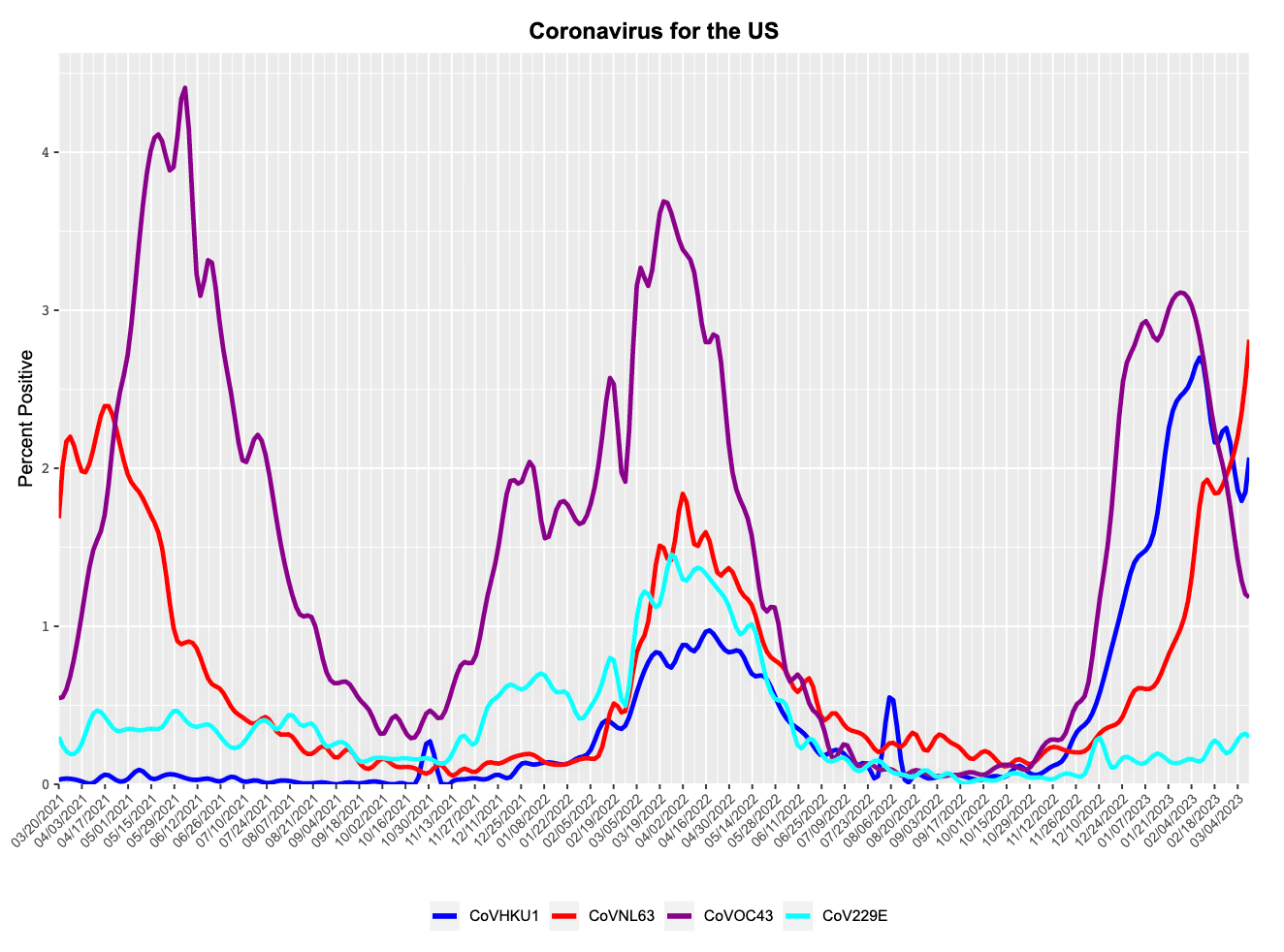
Cold-causing viruses seem determined to stick around, so expect the stuffy noses to continue. Seasonal coronavirus activity is decreasing in most regions, except for the awkwardly-named CoVNL63, which is still surging. Also, another set of cold-causing viruses, rhinovirus/enterovirus are making a resurgence once again. Rhino/entero activity was high at the start of “tripledemic” season, so I feel a bit like we’ve come full circle.
RSV activity is low but a related virus, metapneumovirus, is rising. Symptoms include fever, coughing, wheezing, runny nose, sore throat, and sometimes pneumonia. In most cases, metapneumovirus infections are mild and resolve on their own within a week or two, but they can sometimes lead to more severe respiratory illnesses, especially in infants and older adults.
Stomach bugs
Norovirus activity is still high. Activity dipped briefly last week but may have rebounded (depending on the data source). Outbreaks are common in daycares, schools, nursing homes, cruise ships, and other indoor settings with lots of close contact. For example, an elementary school in California closed last week after at least 126 students and 10 staff became infected.
CDC recently reported an uptick in extensively-drug resistant shigella infections. Shigella is a type of bacteria that causes shigellosis. Symptoms include diarrhea, abdominal pain, and fever. The bacteria is spread through contaminated food or water, as well as from person to person. Treatment typically involves antibiotics and rehydration therapy. Although shigellosis is most common in children, the increase in drug-resistant shigella has been noted primarily in men who have sex with men. International travelers, people living with HIV, and people who are homeless are also at risk.
Food recalls:
The following foods are being recalled because they are contaminated with viruses or bacteria. Please check your cupboards and throw out any of these items:
New this week:
- Frozen organic strawberries and tropical fruit mix sold to Costco, Trader Joe's, Aldi, KeHE, Vital Choice Seafood, and PCC Community Markets. (more info)
Reported in the last month:
- The Ezricare/Delsam eye product recall has been expanded to include Artificial Eye Ointment due to contamination with a pathogen that could cause blindness. The original recall applied to Artificial Lubricant Eye Drops. (more info, more info)
- There is also a multi-state outbreak of Listeria linked to deli meats and cheeses, but the specific source has not been identified. If you are pregnant, over the age of 65, or have a condition that weakens your immune system, consider avoiding meat or cheese from deli counters. (more info)
- If you have food allergies, you may wish to review these FDA safety alerts for foods with undeclared allergens.
In other news
I recommend restocking your supply of at-home COVID-19 tests soon. When the public health emergency ends on May 11, private insurers and Medicare will no longer be required to reimburse for the tests. Current rules allow for reimbursement of up to 8 at home tests, per covered person, per month. Medicaid will continue covering the tests through September 2024. You can learn more about what the end of the public health emergency means for consumers here.
While you’re at it, check the expiration dates on any tests you have at home. The shelf life is often fairly short. However, FDA has extended the expiration dates of many common tests, including Binax, iHealth, CVS brand, and more. Find the full list and the new expiration dates on the FDA site.
The debate on the pandemic’s origins was back in the news this week. The Atlantic reported that “a new analysis of genetic sequences collected from the market shows that raccoon dogs being illegally sold at the venue could have been carrying and possibly shedding the virus at the end of 2019.” The scientific paper describing the findings is not yet publicly available, so I am withholding judgement until I see the writeup. Regardless of the outcome of the investigation, we can’t lose sight of pursuing reforms.
I answered reader questions in the New York Times again yesterday. What can individuals do to prevent the next pandemic? When can we expect the next Big One? Find my responses in the second half of the newsletter.